
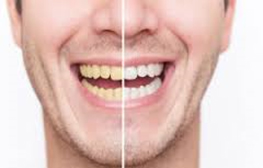
Coffee, tea, red wine, and berries are some of the most common causes of surface stains. They’re also things many people enjoy regularly, so giving them up completely isn’t a realistic answer.
Fortunately, you don’t have to. Understanding what causes the discoloration and what to do after you eat or drink can help you protect your enamel and keep stains from building up.
Here are ten common foods and drinks that can affect the color of your teeth, along with a few practical ways to reduce their impact. If you have questions about changes in your smile, we’re always happy to talk with you at our Kennewick dental office.
1. Wine
Red wine contains dark pigments that can cling to the surface of your teeth. It’s also acidic, which temporarily softens enamel and makes your teeth more vulnerable to wear.
You may be tempted to brush as soon as you finish a glass, but it’s better to rinse with water first. Wait about an hour before brushing to give your saliva time to neutralize the acid and allow the enamel to reharden. White wine doesn’t leave the same dark stain, but it’s still acidic and can contribute to enamel erosion.
2. Coffee
Coffee is one of the most common causes of surface staining, partly because many people drink it every day. The more often your teeth are exposed, especially if you sip coffee throughout the morning, the more opportunity stains have to build up.
You don’t have to give up your morning cup. Try to finish it within a reasonable amount of time and drink some water afterward. A straw can reduce contact with your front teeth when you’re drinking iced coffee, although we know it isn’t a practical solution for every cup.
3. Sports Drinks
Some brightly colored sports drinks can contribute to surface stains, but their acidity is usually the bigger concern. Frequent exposure can gradually wear down enamel, making teeth look more yellow and increasing sensitivity.
If you drink sports drinks during long or intense workouts, follow them with water and avoid swishing the liquid around your mouth. Wait about an hour before brushing. For shorter or less demanding workouts, water may be all you need.
4. Curry
Turmeric gives many curries their rich yellow color. That same strong pigment can temporarily discolor your tongue and contribute to surface staining when curry is a regular part of your diet.You don’t need to stop eating it. Rinse with water after your meal and continue brushing and flossing as usual. If the curry contains acidic ingredients such as tomatoes, wait about an hour before brushing.
5. Blueberries and Other Dark Berries
Blueberries, blackberries, and raspberries contain strong natural pigments. If you’ve ever looked in the mirror after eating a handful, you’ve probably seen how quickly that color can show up. Most of the immediate discoloration will rinse away. Drink some water after eating berries and keep up with your regular oral care. There’s no reason to remove nutritious fruit from your diet simply to protect the color of your teeth.
6. Tea
Tea can stain teeth just as noticeably as coffee, especially when you drink it regularly. Black tea is usually the biggest concern because of its dark color and tannins. Green and white teas are lighter, although they can still contribute to staining over time.
Try to finish your tea rather than sipping it throughout the day, and drink some water afterward. Adding lemon makes tea more acidic, while adding sugar creates an additional concern for cavities.
7. Balsamic Vinegar
Balsamic vinegar is dark and acidic, so frequent exposure can contribute to surface stains and enamel wear. That doesn’t mean you need to avoid every salad that comes with a balsamic dressing. Eat it as part of a meal rather than on its own, and drink water afterward to help rinse away some of the remaining vinegar.
8. Soy Sauce
Soy sauce contains dark pigments that may contribute to surface staining, particularly if you eat it frequently. Fortunately, it’s usually consumed in small amounts and as part of a larger meal. Drinking water during or after the meal can help wash away some of the sauce before it lingers on your teeth.
9. Tomato Sauce
Tomato sauce combines strong color with natural acidity. Over time, frequent exposure can contribute to surface staining and enamel wear. You don’t need to change what you eat on pasta night. Have the sauce as part of your meal, drink water afterward, and wait about an hour before brushing.
10. Orange Juice
Orange juice is different from coffee or red wine because it doesn’t usually leave a dark surface stain. The main concern is its acidity. Frequent acid exposure can wear down enamel, allowing more of the naturally yellow dentin beneath it to show through.
Drink juice with a meal rather than sipping it over a long period. Don’t hold or swish it around your mouth, and rinse with water when you’re finished. Because it’s acidic, wait about an hour before brushing.
How to Reduce Stains Without Giving Up the Foods You Enjoy
Most staining develops gradually, so your everyday habits matter more than one cup of coffee or one plate of curry. Drinking water afterward, limiting how long your teeth are exposed, and following a consistent at-home dental care routine can all help.
Regular dental visits matter too. If discoloration appears with pain, sensitivity, bleeding gums, or another change in your mouth, it may be one of the signs it’s time for a dental check-up rather than a cosmetic concern alone.
Frequently Asked Questions
Does coffee stain teeth more than tea?
Both coffee and tea can stain teeth. How much staining you develop depends on what you drink, how often you drink it, how long it remains in contact with your teeth, and your oral care habits. Black tea is generally more likely to stain than lighter teas such as green or white tea.
Can I remove food and drink stains at home?
Whitening toothpaste may gradually reduce mild surface stains, but it won’t change every type of discoloration. Brushing harder won’t speed up the process and may damage your teeth and gums.
Over-the-counter teeth whiteners also have limitations and may cause sensitivity or uneven results when they aren’t suited to your teeth. If home care isn’t making a difference, we can identify what caused the discoloration and help you decide whether professional teeth whitening is appropriate.
Should I brush immediately after eating or drinking something that stains?
Not after something acidic. Wine, coffee, citrus juice, and sports drinks can temporarily soften enamel. Rinse with water and wait about an hour before brushing to give your saliva time to neutralize the acid.
How often should I get a professional cleaning to manage staining?
Many patients come in every six months, but the right schedule depends on your oral health. We may recommend more frequent visits based on your gum health, cavity risk, medical history, and how quickly plaque or tartar returns. Professional cleanings can remove buildup and some surface stains that brushing and flossing leave behind.
Does curry stain your teeth?
Yes. Turmeric contains a strong yellow pigment that can contribute to surface staining, especially when curry is a regular part of your diet. Rinse with water after eating and keep up with your usual brushing, flossing, and professional cleaning schedule.
Does soda or cola stain teeth?
Dark soda can contribute to surface stains, and all types of soda can expose your teeth to acid. Even sugar-free soda may be acidic. If you drink soda, avoid sipping it over several hours. Using a straw and rinsing with water afterward can reduce contact with your teeth.
Bothered by Stains on Your Teeth?
If your teeth don’t look as bright as they used to, the first step is finding out what caused the change. Some surface stains come off during a professional cleaning. Others respond better to whitening, while some types of discoloration need a different approach.
At our Kennewick dental office, we’ll examine your teeth, explain what we see, and help you choose an option that makes sense for your smile. Call us at (509) 374-4077 to schedule an appointment.

- How to Choose the Right Dentist in Kennewick, WA? -
- Why Choose Family Dental Care in Kennewick, WA? -
- 10 Things You Need to Know About Invisalign Teen -
- Braces For Adults -
- 5 Questions about Esthetic Veneers, Answered -
- Are Dentures Right For You? -
- Endodontist vs Periodontist, and Prosthodontist: What’s the Difference? -
- The Ideal At-Home Routine for Caring for Your Teeth -
- 5 Signs It’s Time for a Dental Check-Up -
- Five Reasons Why Over-the-Counter Teeth Whiteners Are a Bad Idea -